


Whoa! I know that sounds retro. Smart cards feel like something from airport security, not the cutting edge of crypto custody. But hear me out—there’s a stupidly practical logic to carrying a chip-sized hardware wallet in your pocket, and I want to walk through why it’s worth a second look. Initially I thought hardware meant bulky devices and cables, but then I realized that design iterations have quietly solved most of those problems.
Seriously? A card? Yes. The form factor matters. It fits a different set of trade-offs than a dongle or a phone app, and for certain users those trade-offs are winning ones. My instinct said smaller is weaker, but the cryptographic reality is different because tamper resistance and passive security measures can be built right into the card. On one hand the convenience of a phone-based wallet is seductive; on the other hand phones are complex, attackable beasts that leak metadata and keys more easily than a sealed chip does.
Hmm… here’s a small story. I once left a seed phrase on a sticky note in a rush. Not proud. It was a dumb human moment, and that made me rethink the whole human+crypto equation. If you make custody simple for humans, they do fewer stupid things. So a smart-card solution that reduces friction can actually improve security behavior. (oh, and by the way—usability matters more than esoteric threat models for 95% of users.)
Here’s the thing. Cards are passive, low-power devices that can be architecture-light and tough to physically tamper with, and that changes the attack surface dramatically. Longer: unlike a general-purpose device that runs apps and connects to the internet, a smart card often provides a single-purpose execution environment—firmware that only signs transactions and exposes no extraneous APIs—so attackers have fewer vectors to exploit, though supply-chain risks remain real and worth guarding against.
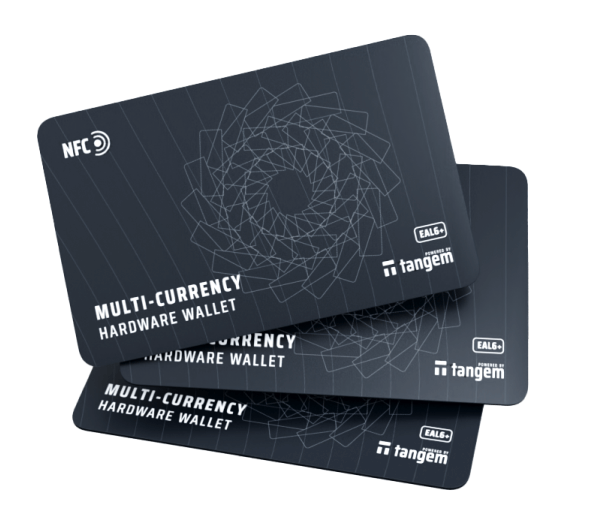
What a Smart-Card Wallet Actually Buys You
Short answer: predictability. You know what it does and what it doesn’t. I like predictability. It reduces surprise. Predictable devices are auditable in the sense that their attack surface is smaller and their failure modes are easier to think about.
Practically speaking, a good smart-card wallet gives you: air-gapped signing, physical possession as an implicit factor of authentication, and a durable form factor that survives being sat on or accidentally left in a pocket. Initially I thought these were minor perks, but after seeing several phone-theft stories they looked a lot more meaningful. Actually, wait—let me rephrase that: phones get compromised at scale, and cards reduce the scale problem by forcing an attacker into close-proximity, hardware-level work.
I’ll be honest: the ecosystem still has annoyances. Integration with mobile apps can be clunky. Some wallets require awkward tap sequences. But some vendors have nailed the UX loop—pair once, confirm with a tap, sign silently. If you want a real example of a practical, pocketable hardware approach, check out the tangem wallet which embraces the smart-card model without making setup feel like getting a new router.
On the security front, though actually there’s nuance—cards rely heavily on secure element design and supply chain trust. If the manufacturer is compromised, the card could be at risk. On the flip side, a well-implemented secure element isolates keys from the host device so even a totally pwned phone can’t exfiltrate your private keys. So you trade one category of systemic risk for a complementary set of mitigations.
Not perfect, though. You still need backups. You still need safe recovery mechanisms. Some people assume physical possession eliminates the need for redundancy, and that always ends badly. My practical rule: treat the card as cold storage that you can carry, not as the only copy of your keys. Multiple copies stored smartly beats dramatics every time.
Real-world Trade-offs I Care About
I’m biased, sure. I prefer solutions that nudges humans toward safer choices without forcing them into complex rituals. A card does that. It changes daily behavior—people are less likely to copy seed phrases into cloud notes if the card is easier to bring than a paper backup. Small shift, big impact.
Longer thought: from a threat-modeling perspective, it’s useful to separate theft, phishing, malware, and supply chain into different buckets and ask how a smart card moves the needle on each; often it reduces the impact of phishing and mobile malware dramatically, but it doesn’t remove the need for vigilance around tamper-evident packaging, vendor reputation, and recovery procedures.
Something felt off about the early marketing for these devices—too much bravado, too many claims of “unbreakable.” I like vendors who admit limitations and focus on composable security. For example, combining a card with multi-sig or a simple passphrase layer gives compounding benefits. On one hand extra layers increase complexity; on the other hand—they actually reduce single points of failure.
Yep, multi-sig is my favorite hack here because it lets you split risk across device types—card + software + custodial layer—or between people. But it’s not for everyone; setup can be fiddly and recovery must be planned. If you want a minimal, practical setup though, a single smart card plus a secure backup in a bank deposit box gets you most of the real-world protections people need.
FAQ
Is a smart-card wallet easier to use than a hardware dongle?
Often yes. Cards are pocketable and generally don’t need cables. You tap or hold near a phone and confirm—no fiddly USB connections. The UX depends on the vendor, but for casual users the simplicity can reduce mistakes.
Can a card be cloned or skimmed?
Short answer: very unlikely if proper secure elements and authentication are used. Longer: there are attack ways in theory, but modern designs assume threat models that make remote cloning nearly impossible; physical tampering or a compromised supply chain are the highest practical risks.
How should I back up my card?
Use a hardened, redundant backup strategy. Don’t rely on one card. Consider a written seed stored in a safe, a deposit box, or a geographically separate second card. And practice recovery once in a safe environment so you’re not surprised later.