


So, I was thinking about how often people overlook their transaction history when diving into DeFi on Solana. Seriously, it’s like staring at a cluttered inbox and ignoring half the emails. Your wallet’s past activity isn’t just a record—it’s a map, a story, and sometimes, a warning sign all rolled into one. Wow! This might sound obvious, but the more I dug in, the more I realized how crucial it is to keep tabs on what’s gone down in your wallet before jumping into new protocols.
At first glance, you might think, “Eh, why bother? I’m just here to stake or swap tokens.” But hold on. The DeFi space is a wild west, even on fast chains like Solana. Transactions aren’t just numbers—they reveal your exposure, past mistakes, and opportunities to optimize performance. And if you’re using wallets like Solflare, the transaction history can be a goldmine for insights.
On one hand, transaction histories are straightforward logs. On the other, they reflect your behavior patterns and risk levels. It’s a bit like financial therapy, if you will. Hmm… I guess my gut feeling is that most people don’t really know how to interpret this data effectively. That’s where the right tools and wallets come into play.
Okay, so check this out—the Solflare wallet really shines here. Not only does it offer a sleek interface, but it also makes reviewing your transaction history less of a headache. You can track your staking activities, DeFi interactions, and token transfers all in one place. And yeah, there are other wallets out there, but Solflare’s user-friendly approach is a game changer for both newbies and seasoned Solana users.
Something felt off about how many people just download any random wallet without considering this feature. If you want to stay safe and informed, the solflare wallet download should be your go-to step before diving deeper.
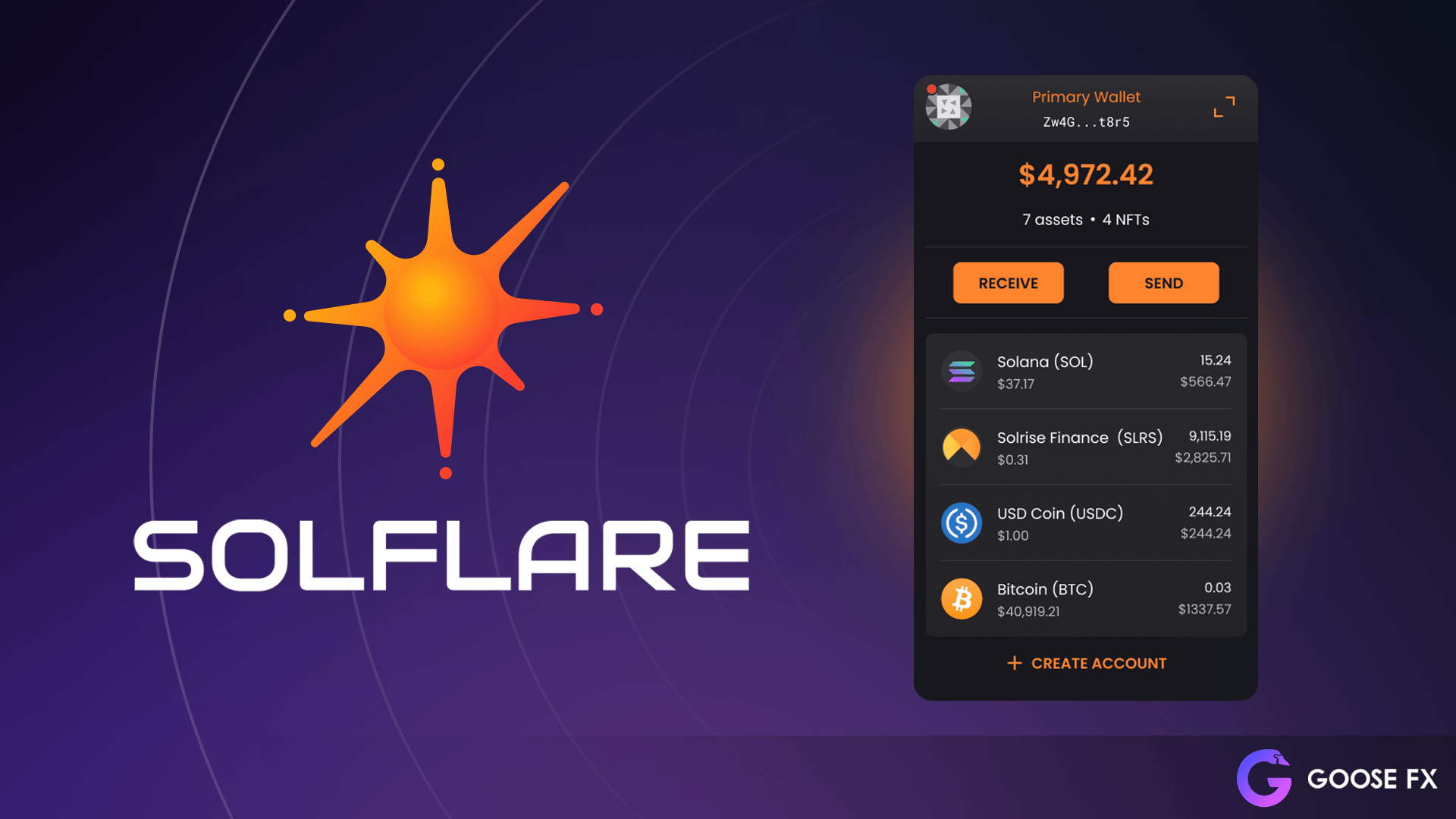
Now, here’s the kicker—transaction history is more than just a list. It’s about patterns. For example, repeated interactions with risky DeFi protocols that have had exploits in the past could spell trouble. Initially, I thought this was just paranoia, but then I saw how some wallets became virtual minefields after careless trading. This is why transparency in your wallet app is very very important.
Also, your transaction history helps you verify that your staking rewards are actually coming through as expected. I’ll be honest—the first time I noticed a discrepancy in my staking returns, I panicked. But thanks to detailed logs, I traced it back to a delayed protocol update. Had I not checked the history properly, that lost yield would’ve slipped by unnoticed.
On a deeper dive, transaction histories can reveal gas fee patterns, even on Solana where fees are low. This helps you time your DeFi moves better and avoid congestion periods. Oh, and by the way, the Solflare wallet’s analytics tools give you a quick snapshot of those fee trends without needing to juggle multiple apps.
Here’s what bugs me about many wallets out there—they either bury this info or present it in a confusing way. It’s like they expect you to be a blockchain analyst, which most folks aren’t. Solflare’s design philosophy seems to get this, offering clarity without oversimplification. This makes managing DeFi exposure way less intimidating.
How Transaction History Impacts Your DeFi Strategy
Alright, let’s get a little more tactical. Your transaction history can be a sneaky ally in your DeFi journey. For example, when you’re juggling multiple pools or staking platforms, it’s easy to lose track of where your assets are working hardest for you. By reviewing past transactions, you can identify which protocols gave you the best yield and which ones drained your wallet with fees or failed transactions.
Something I learned the hard way was ignoring failed transactions. They don’t just vanish into thin air; they often mean lost fees or stuck tokens. My instinct said, “Check those failed transactions,” and sure enough, a couple of them were due to outdated contract addresses I didn’t update. Yeah, rookie mistake.
Initially, I thought that transaction histories were more about record-keeping than strategy. But as I started comparing my wallet’s activity across different DeFi apps, it became clear that this data can inform smarter moves. For instance, spotting a pattern of slippage on certain swaps helped me switch to better liquidity pools.
Seriously, there’s a level of self-awareness here that most people miss. Keeping an eye on your transaction cadence and types can prevent you from chasing every shiny new protocol without checking its track record or compatibility with your wallet.
Honestly, I’m biased, but I think Solana’s speed combined with Solflare’s intuitive interface makes this process smoother than on other chains. The solflare wallet download unlocks a suite of features that let you filter, categorize, and analyze your DeFi transactions in ways that really empower your decisions.
On one hand, fast transactions reduce waiting times, but on the other, it means you might make mistakes quicker if you’re not paying attention. Transaction history is your safety net here, catching those slip-ups before they cascade into bigger problems.
Check this out—some advanced DeFi users even export their transaction data for tax purposes or portfolio analysis. While I’m not a tax expert, the fact that your wallet can provide detailed, exportable histories is a huge plus. It’s something every serious user should consider.
Okay, so here’s a slightly nerdy tangent: transaction histories also help with wallet security audits. If you see transactions you didn’t initiate, that’s an immediate red flag. Your wallet’s history is like your blockchain detective, revealing unauthorized access or phishing attempts. This part bugs me a lot because many folks only realize they got hacked after losing funds.
By the way, the Solflare wallet supports hardware wallet integrations, which add an extra layer of security. That’s a combo I trust, especially when paired with detailed transaction logs you can review regularly.
Wrapping Up With Some Real Talk
So, circling back—your wallet’s transaction history isn’t just a boring ledger. It’s a dynamic, living document of your DeFi adventure on Solana. The more you engage with it, the better you get at spotting opportunities and avoiding pitfalls. Wow, I didn’t expect to get this deep into it when I started writing.
To be frank, not everyone’s gonna obsess over their transaction logs, and that’s cool. But if you want to stay sharp, especially in a fast-moving space like Solana’s ecosystem, you gotta get comfortable with this info. And it’s a lot easier when you pick tools that don’t make it a chore—like the Solflare wallet. If you haven’t already, consider the solflare wallet download as your first step.
At the end of the day, DeFi is thrilling but risky. Your transaction history is a bit like your personal black box—sometimes it’s messy, sometimes enlightening, but always worth paying attention to. I’m not 100% sure where this space is headed next, but knowing your past moves will definitely help you navigate the twists ahead.